Read the jobs before the company figure
The employer’s Korea location facets returned nine postings on October 8, 2026. Today’s set spans Icheon service quality, Hwaseong repair, recruiting, supplier quality, packaging, logistics and memory-roadmap work, plus two Cymer factory seats in Pyeongtaek. All nine have their own original posting and mock application. The repair seat explicitly describes a one-year contract, with a possible one-year extension depending on evaluation, while the ATS employment-type field says Full time. The contract wording in the body stays attached to the role. Entry-level factory work asks for high-school or associate education and entry-level to two years of relevant assembly experience; English is a plus. The repair seat welcomes new graduates with a relevant associate degree. These requirements differ from the senior technical seats, so the reader selects a job by its actual responsibilities and qualifications. The technical-roadmap title also carries an individual-contributor scope with technical ownership, which is useful context for a senior candidate.
Separate profile observation from company scale
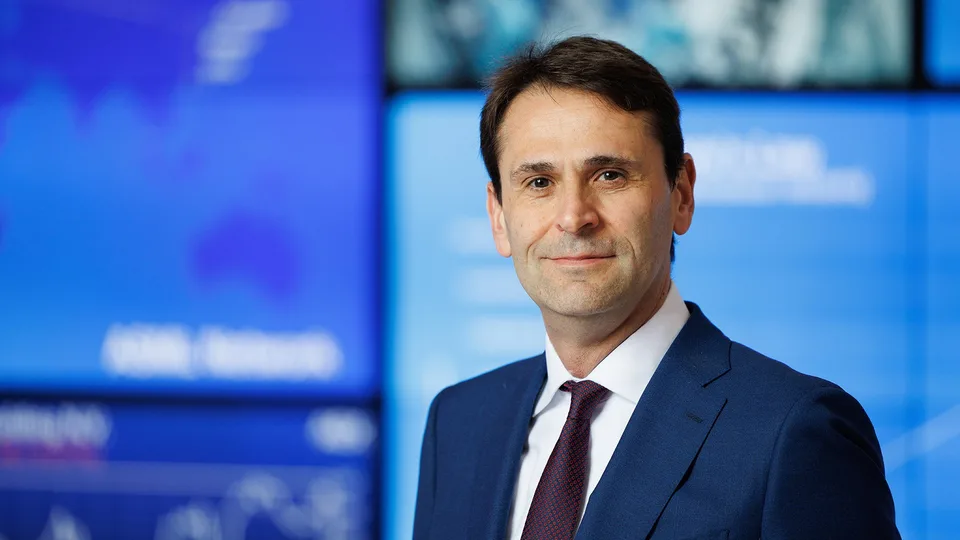
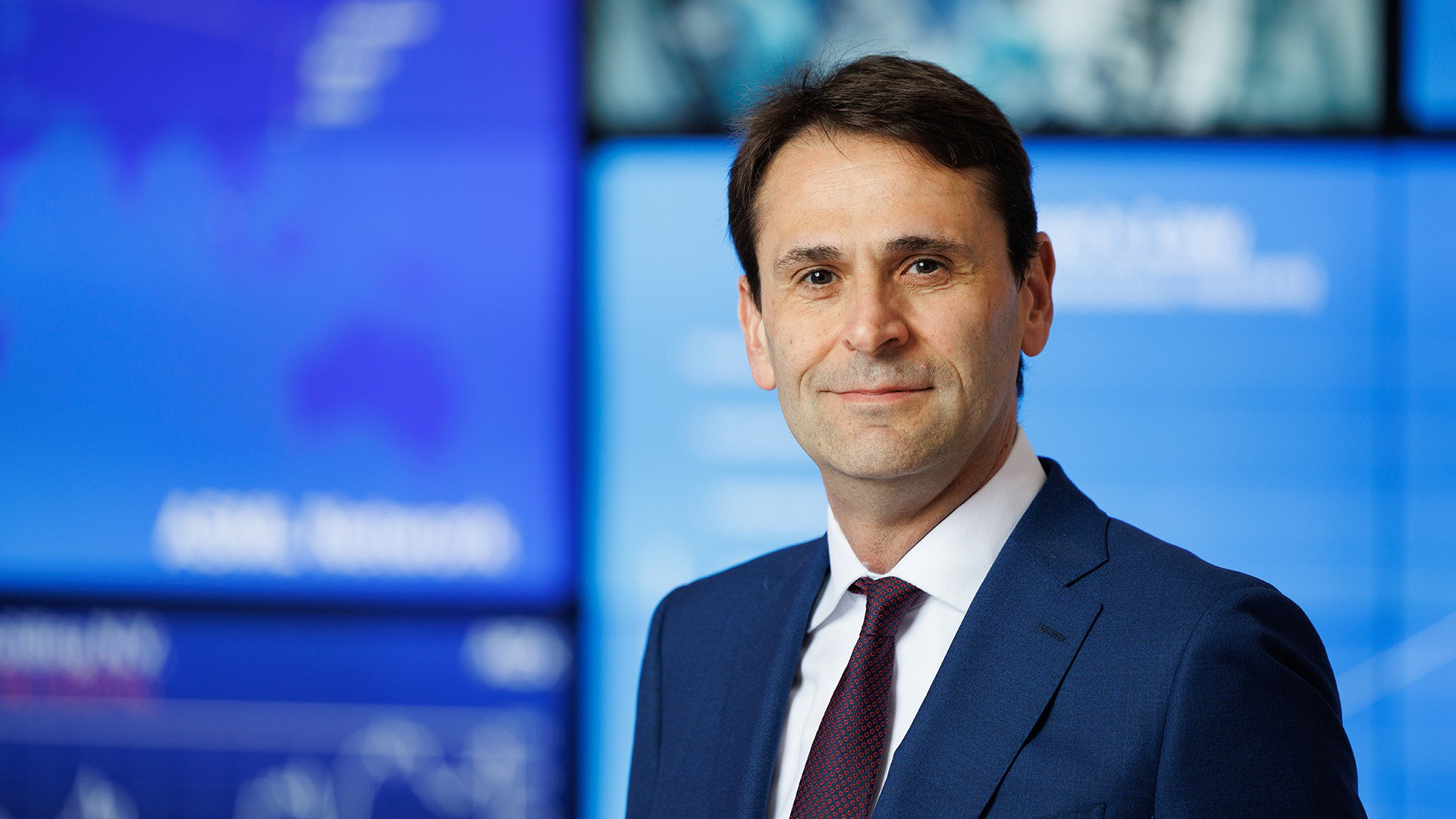
ASML’s Korea careers page says the office was established in 1996 to support the first local systems. The current rendered page shows more than 2,700 employees across four sites. That is the employer’s country-level description. On October 8, the Korea-filtered public-profile view showed 1,053 associated profiles. The function facets included Engineering, IT, Operations, Sales and Customer Success; those categories can overlap and describe profile observations. The figure uses those observed functions together with a press-verified local leader. It separates a functional view from reporting relationships. The business also has a dated regional context: Korea represented 25% of 2025 net system sales on a ship-to-location basis in the official investor chart. Reporting on the first two quarters of 2026 gives 45% and 43% on the system-sales denominator. These figures describe equipment shipped to a region, while installed-base management belongs to a separate revenue category. Signet’s reading is that Korea combines customer-facing technical work with the supply, operational and people functions needed to execute it. The current postings provide an additional view of work being hired today.
Connect the campus with the exact seat
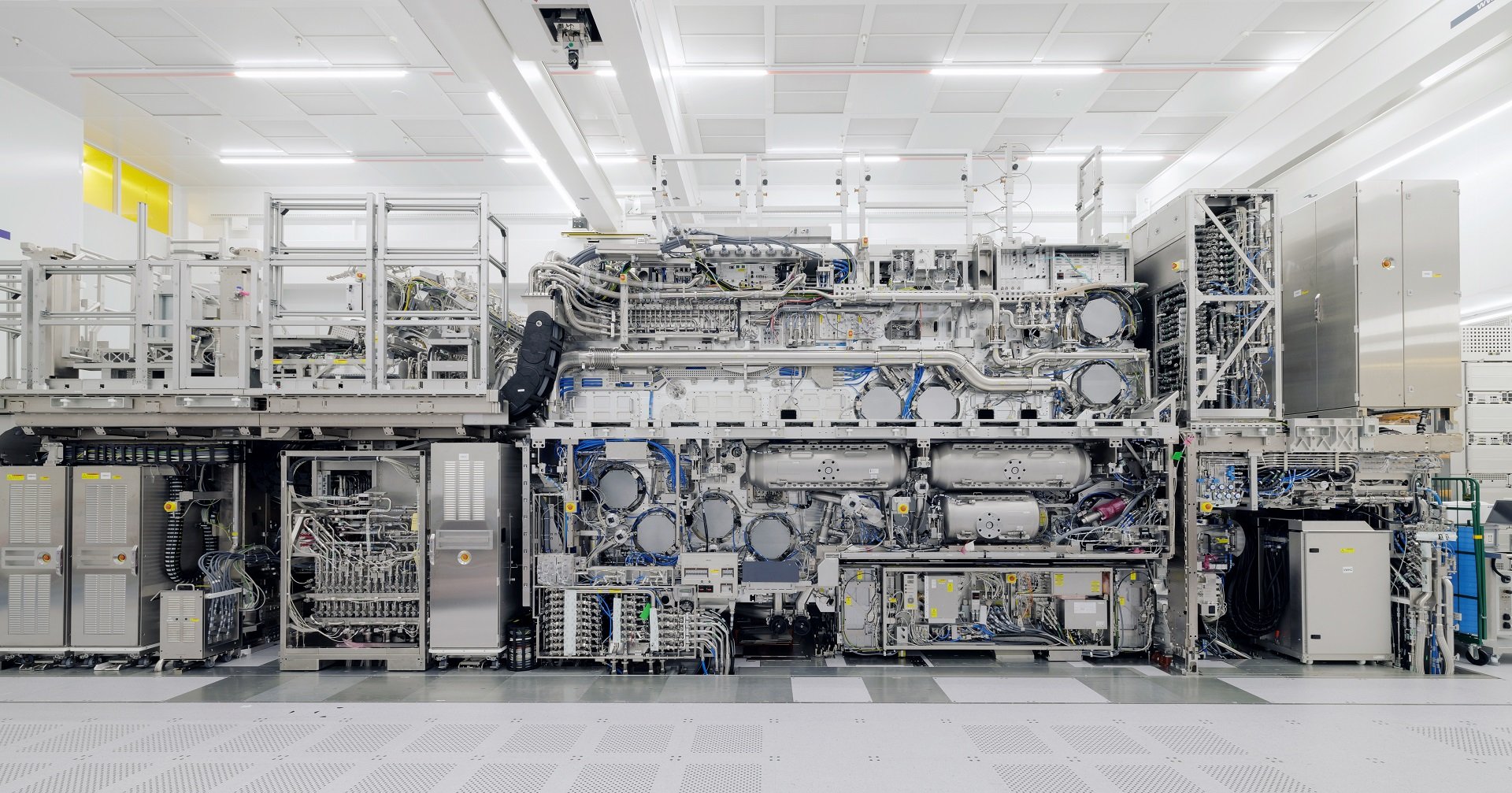
The Hwaseong campus opened in November 2025 after the reported 240-billion-won investment program, combining repair, reuse and training functions. February 2026 reporting describes the Global Training Center Korea with DUV and EUV equipment, modules and cleanroom space. Its stated annual capacity of about 4,000 trainees includes ASML engineers and customers. Capacity is the facility’s training capability. This gives the current repair and service roles a practical local setting. The senior supplier-quality seat asks for 10 to 20 years of relevant experience, optics or ceramics manufacturing experience, and fluent English and Korean. Logistics asks for 7 to 12 years and supplier-management experience, with Black Belt certification preferred. Recruiting asks for more than ten years across HR and Talent Acquisition, including at least five years of multinational recruiting, and fluent English. The factory line manager asks for fifteen or more years with laser, scanner or complex semiconductor equipment and bilingual fluency. The packaging expert asks for more than five years in process integration; the memory expert asks for a relevant master’s or doctorate and demonstrated technical experience. These are distinct paths into the company. Signet suggests preparing a case that shows the requirement most central to the selected seat, such as a validated technical recommendation, supplier improvement, repair process or hiring decision.