Customers already have complex work
The Korean opportunity is grounded in named customers and partnerships. KRAFTON’s story describes a common data foundation across game teams. The KT collaboration connects Databricks with data and AI work for regulated industries and the public sector through KT’s cloud offering. These sources show distinct routes to adoption: a customer can operate its own data platform, and a partner can help bring the platform to other organisations. The partnership statement identifies areas of collaboration and skills development. Read those as the scope announced at the time, with the customer case giving a concrete example of actual use. They are useful context for why delivery and technical sales appear together in hiring.
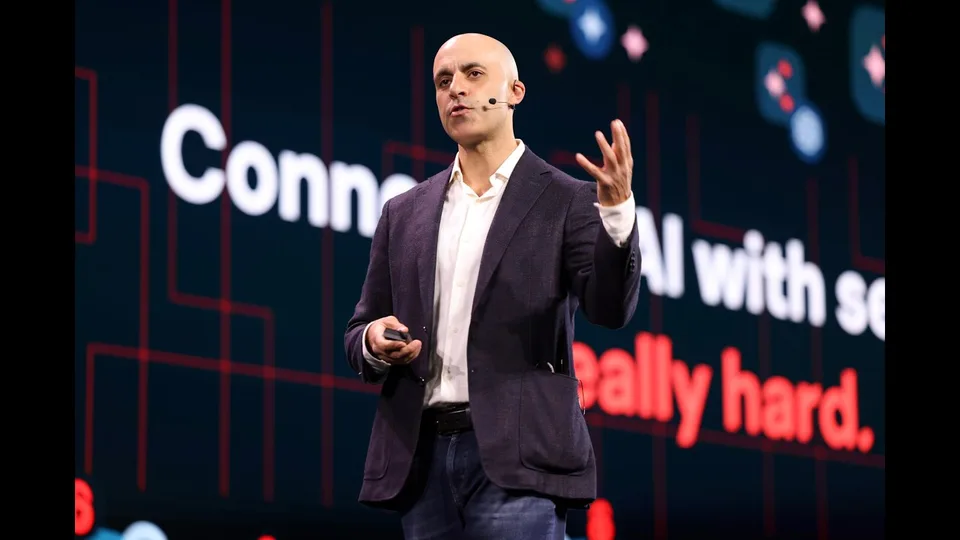
Korea country manager 강형준 appears in dated press coverage of the business. The hiring gives a second view of the organisation: it asks for a mix of builders, architects, technical leaders, programme delivery and commercial management. The APJ industry role includes Seoul among several regional locations, while the other current postings identify Seoul. A role’s location list and language requirements belong to that posting; they should not become a claim that every job has the same arrangement. The team view on this page carries its own basis, and the job cards preserve employer titles and conditions so an applicant can compare the work accurately.
Ten jobs, several responsibilities
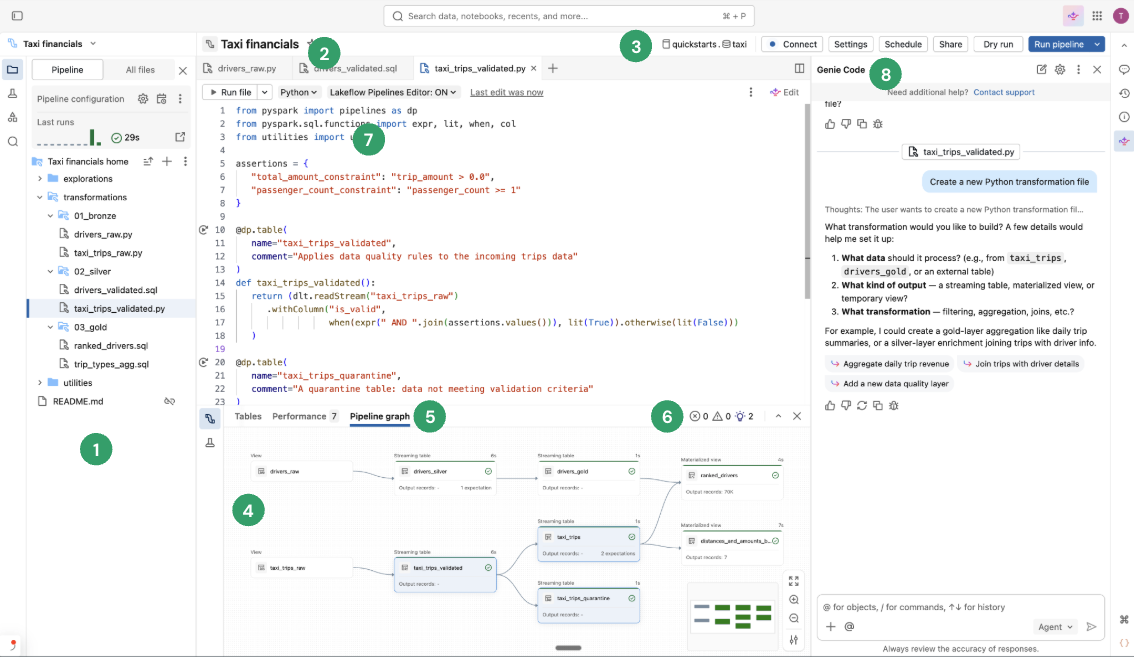
The AI Engineer, FDE and Forward Deployed Engineer postings ask for people who can build working customer systems. The first centres on generative AI deployment; the second covers architecture and implementation across data, AI and applications. Field Technical Program/Project Manager has a different responsibility: coordinating a portfolio of complex programmes, milestones and dependencies. Solutions Architect and the specialist architecture seats help customers validate a design and use the platform. The industry GTM role connects manufacturing and automotive demand to the regional business. Sales development management leads the Seoul business-development team and its pipeline. Each opening has its own detail sheet and mock application, with the three-line reading drawn from its own wording.
Management seats make the team-building responsibility explicit. The specialist solutions architect manager coaches a team that supplies depth in complex sales engagements. The senior field engineering manager builds and leads pre-sales architects for the Korean market. The sales development manager recruits and develops BDRs, analyses performance and works with sales and marketing. These are different teams with different goals. A candidate should choose a case that matches the seat: improving an architecture team’s contribution, scaling technical pre-sales or helping a development team produce qualified opportunities. Numbers and team sizes in your own example should be yours, while the employer’s requirements stay attached to the specific posting.
Prepare the decision you can explain
Several postings specify native Korean and a particular level of English; the exact strength differs by job. The programme posting requires PMP and a Databricks Associate certification within six months of hire. Technical and management requirements also differ, and preferences should stay distinct from requirements. Preparing well starts with reading that distinction. Then reconstruct one relevant project: the customer’s goal, the architecture or operating choice, the people involved, the constraint you faced and the result. That is the material you can take into a mock application. It lets you test whether your experience speaks to the role before moving into the employer’s own process.
Signet’s first-quarter reading is a preparation framework, not an employer schedule. Begin by learning the customer context and the platform responsibilities relevant to your seat. Next, agree a specific use case and the tests that show it works. Then connect the pilot or sales motion with the customer’s operating team and the colleagues who will carry it forward. For a builder, that means production and evaluation. For an architect, it means a design the customer can use. For a manager, it means improving the team’s decisions and handoffs. The common thread is accountable customer adoption, with your actual responsibilities determined by the posting and the hiring discussion.