Vehicles and the services around them
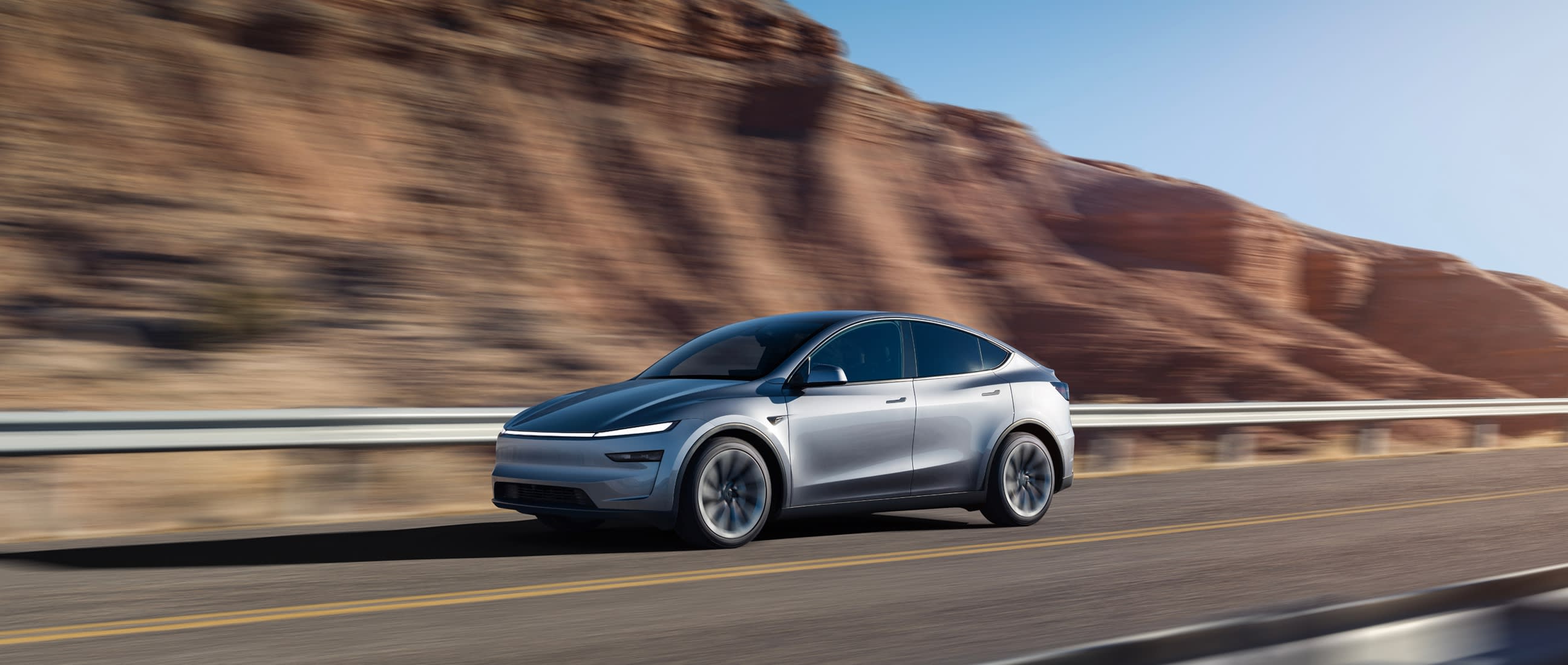
Model Y and Model 3 connect the vehicle with charging, software and service. In its July 2026 update, Tesla reported 480,126 vehicle deliveries in the second quarter. The next delivery announcement reports 486,532 in the third quarter. These are vehicles delivered globally, not Korean registrations or revenue. FSD is a separate software proposition whose operating conditions matter as much as its name. Tesla labels the consumer product FSD (Supervised), with active driver supervision required. Korean coverage of the July v14 Lite rollout describes eligible US-built Model 3 and Model Y hardware, rather than a blanket change to every vehicle sold in the country. A customer conversation therefore starts with the specific vehicle, build origin, hardware and approval conditions. The sales, service and support postings are complementary here: one explains the purchase, another prepares maintenance, and another diagnoses a software or charging question. A product story becomes more useful when the person can understand what their own car supports and how they will receive help.
Store energy and move freight
Powerwall stores energy for a home, while Megapack serves grid-scale storage. Their context includes the installation, controls and the customer’s electricity needs. Energy generation and storage produced $12.771 billion of revenue in fiscal 2025, and Tesla deployed 46.7 GWh of storage products that year. Those are different measures: recognised money and an energy-capacity deployment measure. The current Korean Energy Field Service role combines energy equipment with Supercharger work, including commissioning, diagnostics, repair and safety. Its required electrical qualifications and travel show the practical side of the product. Semi addresses another physical system: freight routes, payloads, charging and depot operations. DHL’s December 2025 announcement reports a trial route of 625 kilometres at 34 tonnes gross combined weight before its first Semi deployment. It is a bounded customer trial rather than a universal operating guarantee. Signet uses that example to ask how a transport customer tests a truck against its own route, schedule and cost. The person doing the work needs to connect a product claim with the conditions under which it was measured.
Read the stage of each AI product
Robotaxi is a service and Cybercab is a vehicle being brought through production and testing. Tesla’s July 22 update lists seven metropolitan service areas, including three Florida areas added in July. Its San Francisco Bay Area entry carries a safety-driver/FSD-supervised condition, while Texas entries describe a ramp of unsupervised operations. These are location-specific service conditions. The same update shows Cybercab employee rides at the Texas factory; that image establishes a test/use scene with employees, not general availability everywhere. Optimus is a humanoid programme working through manufacturing and internal training. The company describes Fremont lines being installed and plans to start production, with supply-chain and volume-ramp work still central to execution. Signet keeps aspiration, installed capability, testing and commercial delivery as separate stages. For a candidate, that helps define the question behind an AI hardware or manufacturing role: what evidence makes the next stage safe, repeatable and economical? A circuit, a software driver and a supplier process can each be a prerequisite even when the public story centres on the finished machine.