A subscription funds the continuing system
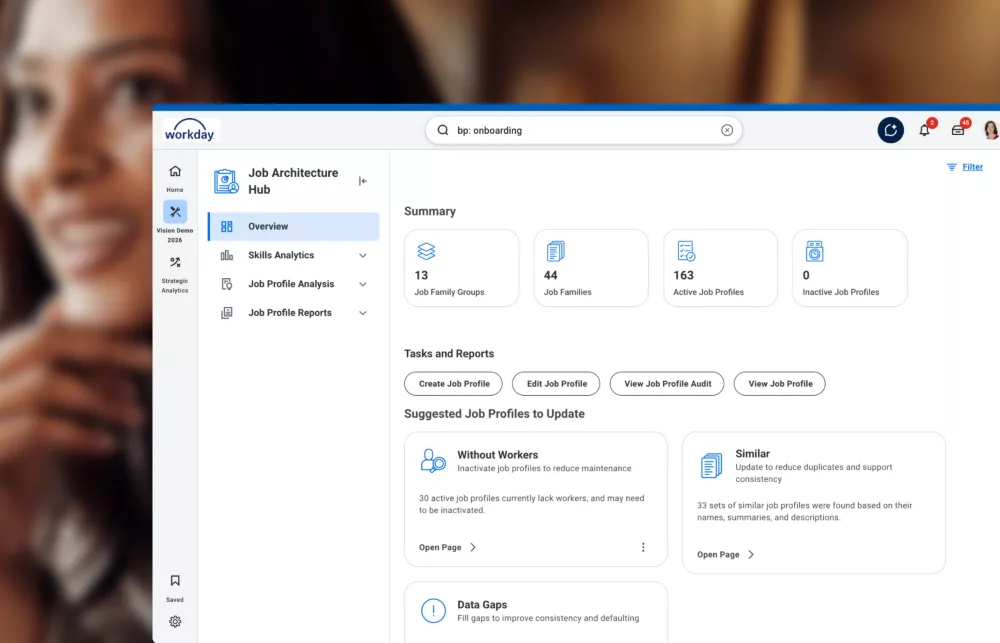
Workday's main revenue source is subscription services, alongside professional services. Enterprise customers pay for the platform and its functionality over a continuing relationship, while deployment and other services support adoption. The fiscal 2026 results put those parts in perspective: total revenue was $9.552 billion, including $8.833 billion of subscription revenue, for the year ended January 31, 2026. The product has to remain useful after a new account signs. Renewals, expansion and successful implementation connect the initial sale with the ongoing business. That gives a Korean account executive a practical responsibility: build a commercial agreement around a customer problem the organization can actually pursue. A broad platform presentation may create interest, but the buyer still needs to decide which process changes, people and integrations will make the investment worthwhile. Signet reads the business model as a reason to care about the quality of the initial promise, rather than only the size of the signed contract. Customer service and continued use are connected to that economic structure.
Fiscal years and adoption measure different things
The historical series uses actual annual results, with January fiscal year ends made explicit. Fiscal 2022 revenue was $5.138798 billion in the financial table. Fiscal 2024 was $7.259 billion in the subsequent comparative results, followed by $8.446 billion in fiscal 2025 and $9.552 billion in fiscal 2026. The chart shows the annual results confirmed in those reports. The August 2026 update concerns the second quarter of fiscal 2027, ended July 31, 2026: total revenue of $2.649 billion and subscription revenue of $2.471 billion. Those are quarterly results, not a replacement annual figure. That release also reports more than 5,500 customers using at least one organic Workday agent. An adoption count describes organizations using a capability, not revenue earned from each organization. Similarly, the total subscription backlog represents future contracted business under its disclosed definition; it should not be displayed as revenue already recognized. A candidate assessing momentum should ask what is being counted, when it was measured and how it relates to the work they would perform.
AI pricing adds another adoption question
Workday's Flex Credits page describes a pooled approach to AI consumption, with completed agent tasks rather than token counts as the basis it emphasizes. The administrator setup guide also describes the entitlement policy that applies after complimentary consumption is used. This means an account conversation needs to distinguish availability, configuration and commercial consumption, even when a launch announcement says a feature comes to customers without a separate license. Signet would evaluate whether users complete valuable tasks and whether the buyer understands the cost of repeated use. The broader enterprise purchase still competes with existing systems and a customer's choice to delay change. The company's earnings risk language points to competition, deployment delays, privacy and security, service reliability, and realizing benefits from acquisitions. These are concrete risks for this strategy. Customers may move more slowly than an announcement suggests, controls may take work to configure, and an acquisition may need substantial integration. A useful commercial plan connects the opportunity to those operating constraints. Forecasts for the next fiscal year remain forecasts, even when management is confident in the platform's direction.