A semiconductor company with a long history
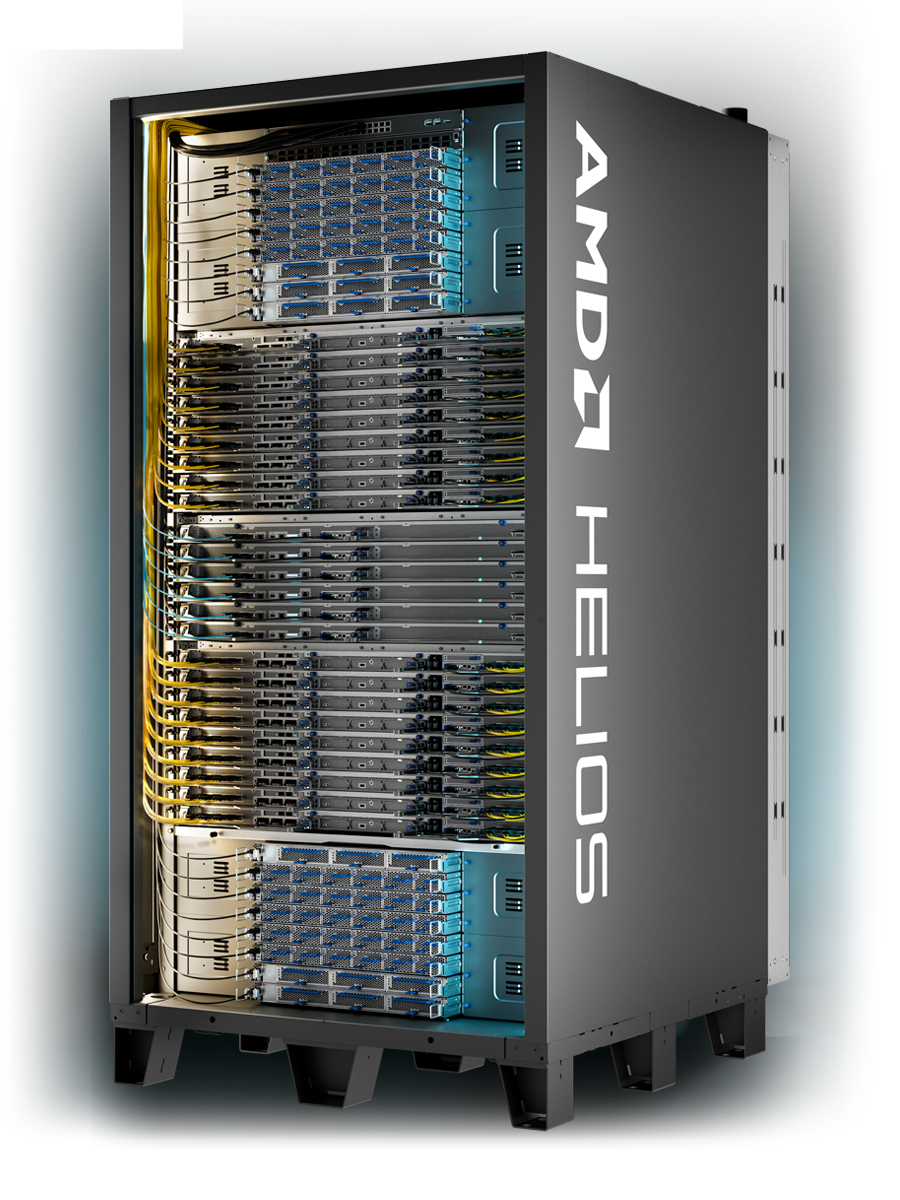
AMD was founded on 1 May 1969 and established its headquarters in Sunnyvale, California, according to its investor FAQ. Early leader Jerry Sanders III connected semiconductor design, manufacturing and delivery to customers. Its historical record puts the company in a long competition over computing platforms. A 1996 shareholder letter signed by W. J. Sanders III, then chair and CEO, discussed acquiring NexGen and bringing a new processor design to market. The letter’s emphasis on execution provides a useful historical lens: designing a product, manufacturing it and reaching customers have always been connected tasks. The current AI platform extends that coordination across GPUs, CPUs, networking and software.
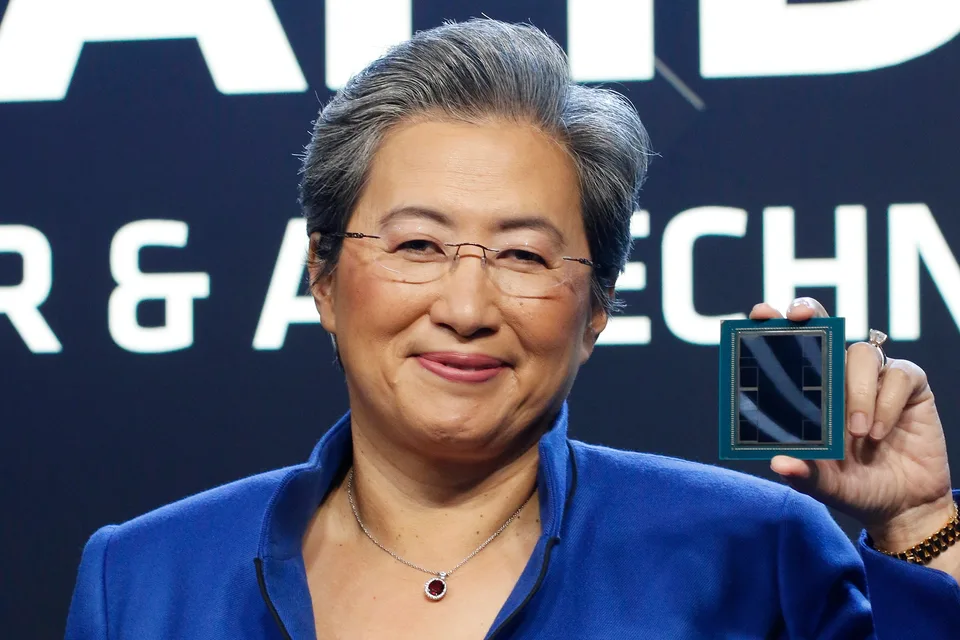
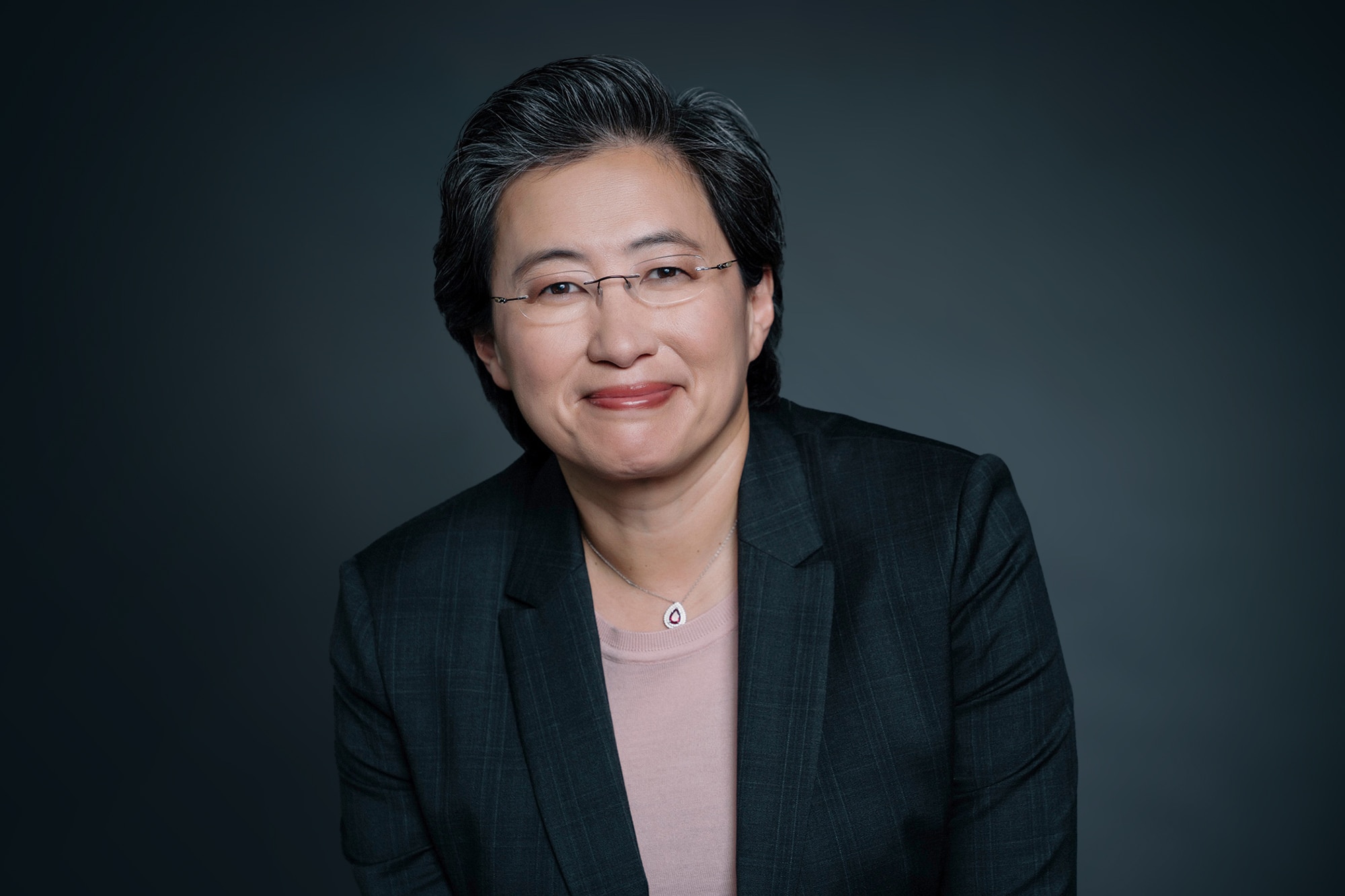
Lisa Su is chair and CEO. Her official biography connects her current leadership to engineering and operating work: she joined AMD in January 2012, later served as chief operating officer, and previously worked at Freescale, IBM and Texas Instruments. The operating role brought business units, sales, operations and infrastructure into a market-facing organization. That background is relevant to an AI roadmap whose delivery depends on many teams. In the September 2026 World Labs agreement, Su explains the intended connection between understanding models and developing computing platforms. The transaction remains subject to closing conditions.
Leaders and consequential choices
Jean Hu is executive vice president, chief financial officer and treasurer in the August 2026 earnings release. Her comments connect the quarter’s revenue increase to the Data Center segment and describe expectations for the second half. Read that financial role alongside Su’s product and customer roadmap. In Korea, the dated commercial-sales record names 이재형 as AMD Korea’s commercial sales head; a 2026 column carries that title and a 2024 press conference documents the earlier role. His scope is commercial sales. The page keeps that title specific when discussing local leadership and the wider Korea ecosystem.
The 2026 choices link AMD to both model builders and systems partners. The Anthropic agreement combines a planned GPU deployment, software collaboration using Claude and a commitment to make a future equity investment. The World Labs agreement would add model research expertise through an approximately $8.2 billion all-stock acquisition. Fei-Fei Li would become executive vice president and chief scientist after closing. The proposed role belongs to that future transaction, so the current cast shows Su, Hu and the Korea commercial-sales leader. For a candidate, the question is how their work contributes to a delivered product or customer outcome within those plans.
How the company describes working together
AMD’s careers page describes pushing limits, driving excellence, being direct and humble, collaborating deeply and being inclusive. Current Korea postings repeat this language and give it a practical setting: a game engineer communicates with external studios and architecture specialists, a test engineer leads reviews and publishes data for decisions, and a channel manager coordinates business units, distributors and field engineers. Signet’s reading is to prepare examples that show both technical or commercial judgment and coordination. Explain the initial problem, your evidence, the choices you made and the result. Preserve the posting’s required and preferred distinctions when assessing your own fit.