Three doors into the same model
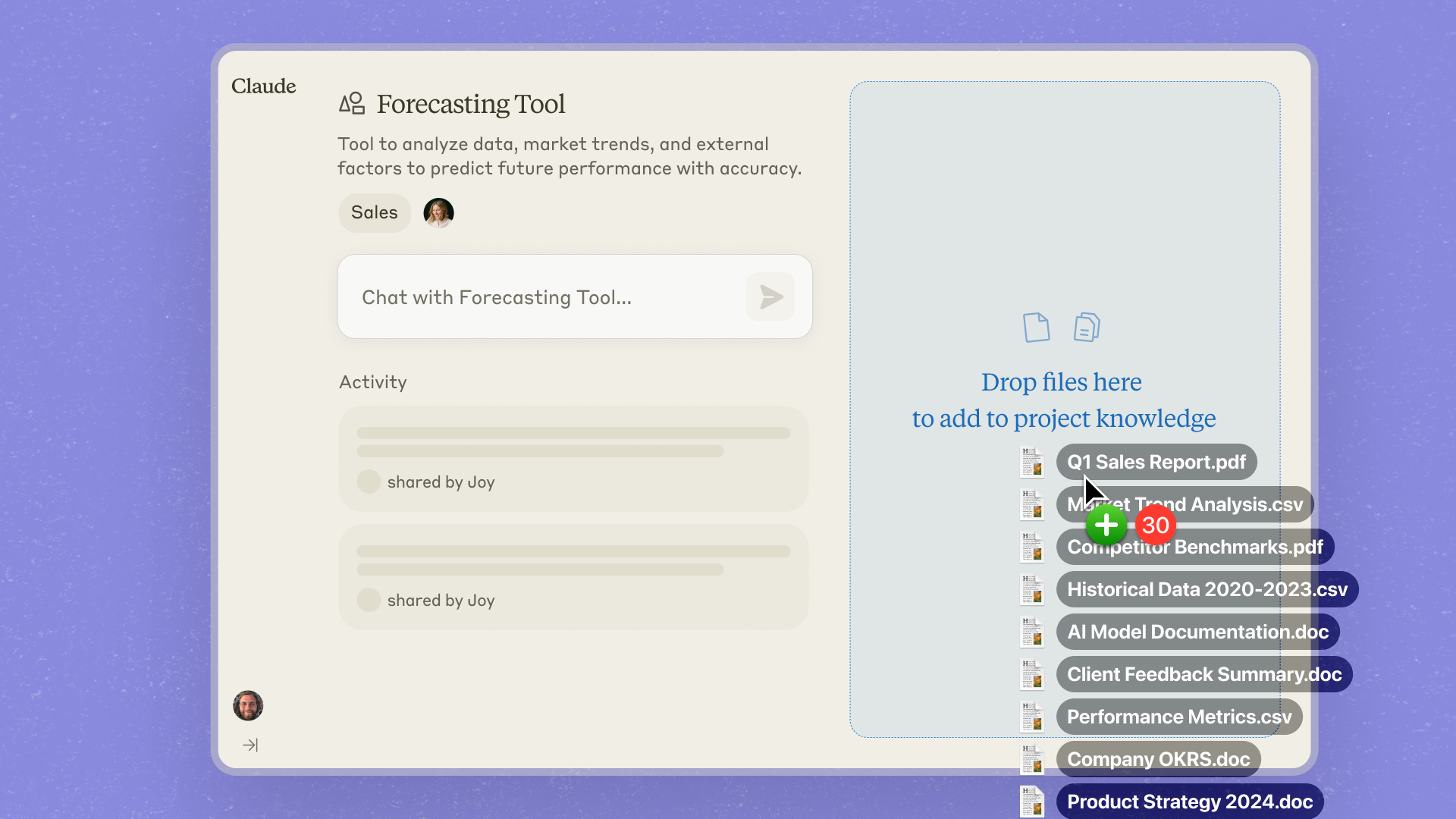
Anthropic sells one family of models through several doors. Claude Enterprise is the door for a whole workforce. It gives employees secure access to chat, Claude Cowork, Claude Code and the company's own connectors, and it gives IT and security teams admin controls, management and visibility. The company says prompts, data and results are not used to train its models by default, a point that matters in the security reviews the Seoul sales postings describe. On 8 October 2026 the price page lists $20 per seat per month billed annually, plus usage at API rates, alongside a sales-assisted option. In July 2026 Samsung SDS said 20 Samsung affiliates, about 70,000 employees, were using Claude Enterprise.
Claude Code is the door for software teams. A developer hands Claude a bug fix, a test or a multi-day migration and steers and reviews it from the terminal, an IDE, Slack or the web. It can now run on a customer's own infrastructure in a public beta. Individuals get it in the Pro plan at $17 a month billed annually or $20 monthly, and Max plans start at $100 a month. It carries much of the company's growth: Claude Code's run-rate revenue was over $500 million in September 2025 and over $2.5 billion in February 2026, when enterprise use made up more than half of it and business subscriptions had quadrupled since the start of the year.
Claude Platform, the API, is the door for builders. A company calls the model from its own product or agent and pays for the tokens it uses; Claude Opus 5.5, released in September 2026, lists at $4 per million input tokens and $20 per million output tokens. Claude is also sold through Amazon Web Services, Google Cloud and Microsoft Azure, so a customer can buy it where its cloud contract already sits; SK Telecom runs it through Amazon Bedrock. Cowork lets knowledge workers delegate research, analysis and document tasks. A 16 September 2026 announcement began merging Cowork with chat into one Claude, starting on Pro and Max; Enterprise administrators receive at least 30 days of advance notice.
Claude is a little bit like an employee using Salesforce.
Dario Amodei · Co-founder and CEO, Anthropic · CNBC Closing Bell: Overtime, with Salesforce CEO Marc Benioff · 2026-08-26
Korean customers, in their own numbers
LG CNS, the IT services arm of LG Group, made Claude Code the engine of a service it sells, LG CNS Build Factory. On a construction company's 20-year-old project management system, it reports converting 2,888 of 2,913 APIs, a 99.1 percent completion rate, and moving 1,340 screens to React. The rebuild ran from November 2025 to June 2026 and, by LG CNS's own estimate, cost roughly half of a conventional rebuild. Its 200-engineer Build Center now uses Claude Code as its standard way to develop. The point LG CNS stresses is not speed: migrations its customers had deferred for years became plans they could execute.
SK Telecom, an investor since 2023, built call-centre tools on Claude: real-time document answers for agents during calls, and automatic summaries, topic tags, to-do lists and sentiment notes after them. It reports a 34 percent rise in agents' quality ratings of the model's answers during calls. Lotte Homeshopping uses Claude through Sendbird in Moni, an assistant that answers suppliers' QA questions before a product goes live; it reports 53 partner questions a day and 30 to 40 percent fewer inquiries reaching QA staff. Law&Company built SuperLawyer, a legal assistant, on Claude and reports 6,000 users within 180 days. When its usage surged, Anthropic's customer team helped it raise its API usage limits.
How to read these cases
Every number above is the customer's own result in a story Anthropic published, each about one engagement or one department. Treat them as what customers chose to measure, not as a benchmark. The pattern is still useful: a narrow first workflow, a measurable change, then expansion to more teams, as Lotte did when Moni grew from fashion suppliers to other product categories. That pattern is what the Seoul account and customer success roles are asked to repeat.
Pick one of these cases and be able to retell it in two minutes: the starting problem, what Claude changed, who measured it and which department would come next. Several Seoul postings ask for exactly this link between product adoption and revenue.