Records a regulator can audit
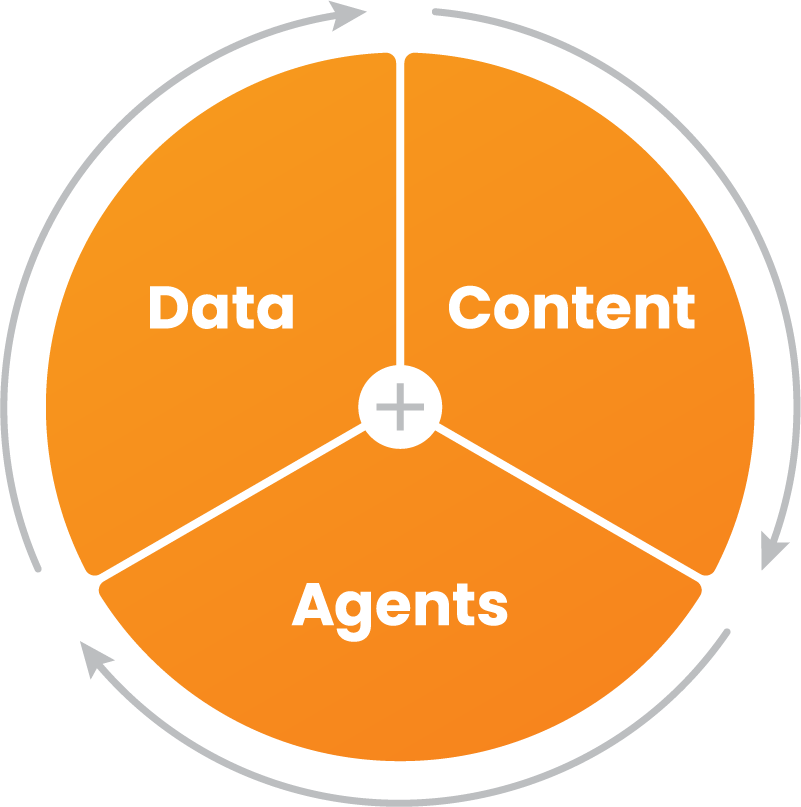
Veeva starts from a fact of the drug business: a company must be able to show a regulator what happened in every trial, every manufacturing batch and every conversation its sales team had with a doctor. In February 2007, when Veeva launched its first product, much of that work ran on software that an industry analyst later described to TechCrunch as coming from old companies and being hard to use. Peter Gassner, who had just left Salesforce, bet that software built for one regulated industry and delivered from the cloud could become a large business. Nineteen years later Veeva describes itself as the industry cloud for life sciences, made of applications, agents, data and consulting, and it ended fiscal 2026 with 1,552 customers, from the largest drug makers to emerging biotechs.
Starting Veeva, I had the idea or vision you could make very industry-specific software in the cloud and it would be bigger than anyone would have thought.
Peter Gassner · Founder and CEO · Interview with TechCrunch on Veeva's tenth year · 2017-02-25
The belief that set Veeva apart was narrowness. At the start many people told Gassner that focusing on one vertical in the cloud was a bad strategy and that building on someone else's platform, Force.com, was even crazier. Veeva did both, and later moved its products onto its own platform, Vault. In March 2026 Gassner restated the belief for the AI era: AI will not replace core systems of record such as Veeva's, and those systems are going to be used by agents as well as human users. In Signet's reading, that makes the company holding the records and the rules a natural seller of the agents that work on them.
Why now: models that can work inside the records
Two developments made the second stage possible. Large language models matured, and Veeva chose to run them inside its applications rather than beside them. Vault AI agents use models from Anthropic and Amazon hosted on Amazon Bedrock, and the first Veeva AI agents, for CRM and commercial content, were released in December 2025. In May 2026 Veeva announced Falcon, a set of standard agents that carry out multi-step work in clinical, regulatory and safety and escalate to people only for exceptions. Its first targets are trial master file document intake and quality control, health authority correspondence and safety case triage. Falcon MLR, which came with the June 2026 purchase of Copli, already checks promotional content.
One drug's path through Veeva
Take an illustrative Korean biotech running a global trial. When a patient enrolls, the site logs in to Veeva RTSM, randomizes the patient and receives a drug kit assignment, and a supply algorithm decides when to ship more drug to that site. Trial documents flow into Vault eTMF, which keeps the file ready for an inspector, the approach Celltrion adopted in 2019. When the drug moves into production at a contract manufacturer, Veeva Quality Cloud holds the controlled procedures, deviations, training records and QC lab results; Samsung Biologics uses it to bring its clients, contract manufacturers and suppliers into one quality process.
Before launch, medical, legal and regulatory reviewers check each brochure against the approved label, and Falcon MLR now runs the first compliance pass. Sales representatives then plan and record their visits in Vault CRM, where the Agentic Call Report drafts the notes. Human judgement stays at the points regulators care about: a person approves the content, closes the deviation and signs off the validation, and Falcon hands exceptions to people.
Falcon's first clinical, regulatory and safety agents are planned for November 2026, with five early adopters. Until they are live, the agent story rests on Veeva's own tests: Gassner said in August 2026 that early runs already beat the human work they were compared with, and that it was too early to declare success.
The Korea openings sit at three points on this path: trial supply, with six RTSM seats in Seoul and Busan; manufacturing quality, with three pharma quality seats and three for QualityOne; and the commercial seat. In each, the work is to make a regulated process run in software and to show the customer that it holds up in an audit.